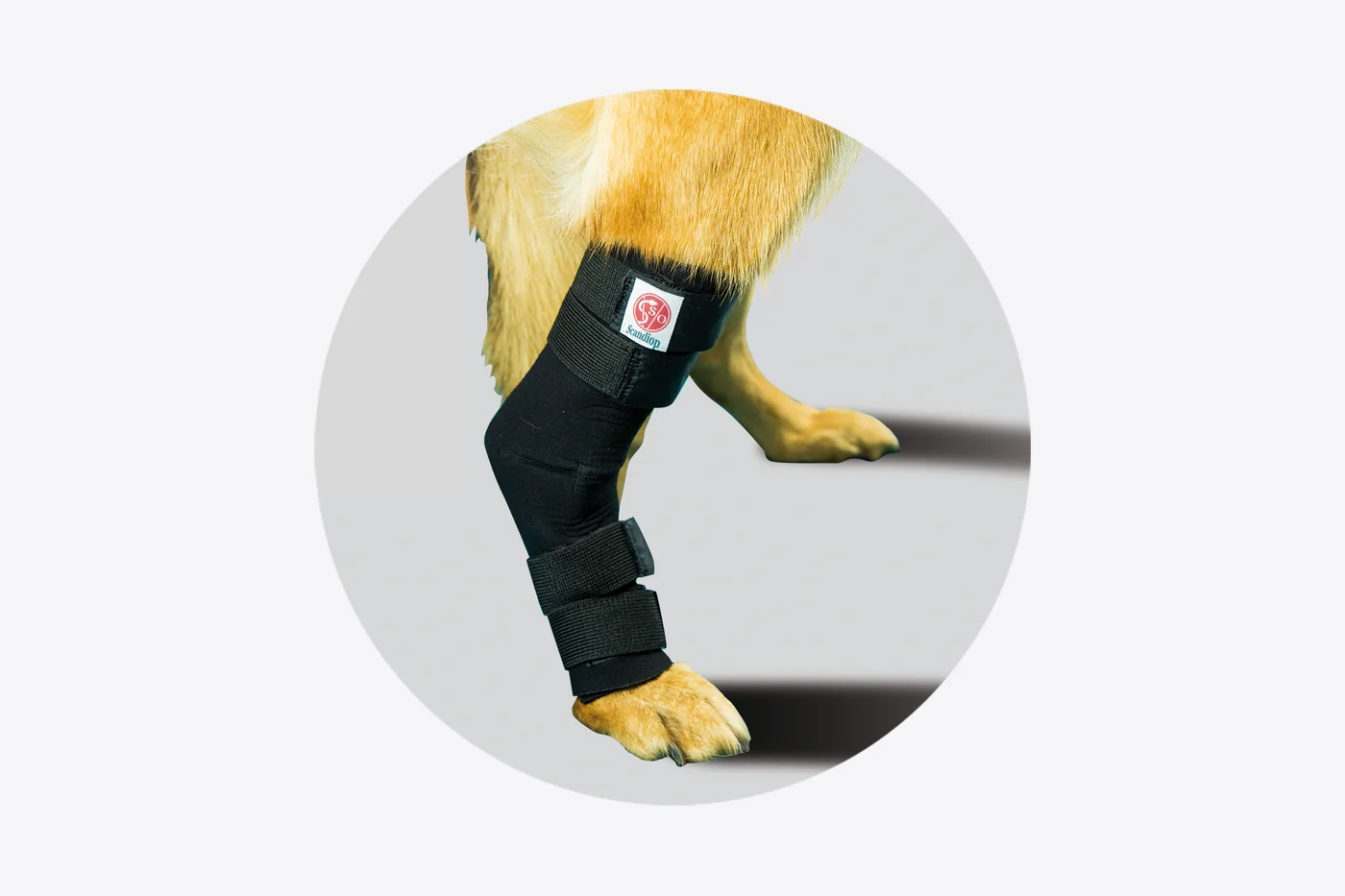
Carpal and hock hyperextension in dogs

How do you recognize carpal or hock hyperextension, and when can a brace help?

Have you noticed your dog's wrist or hock sinking closer to the ground as they step? Hyperextension can appear suddenly after an injury or develop gradually. Depending on the cause and the degree of instability, a well-chosen brace can support the joint as the dog bears weight.

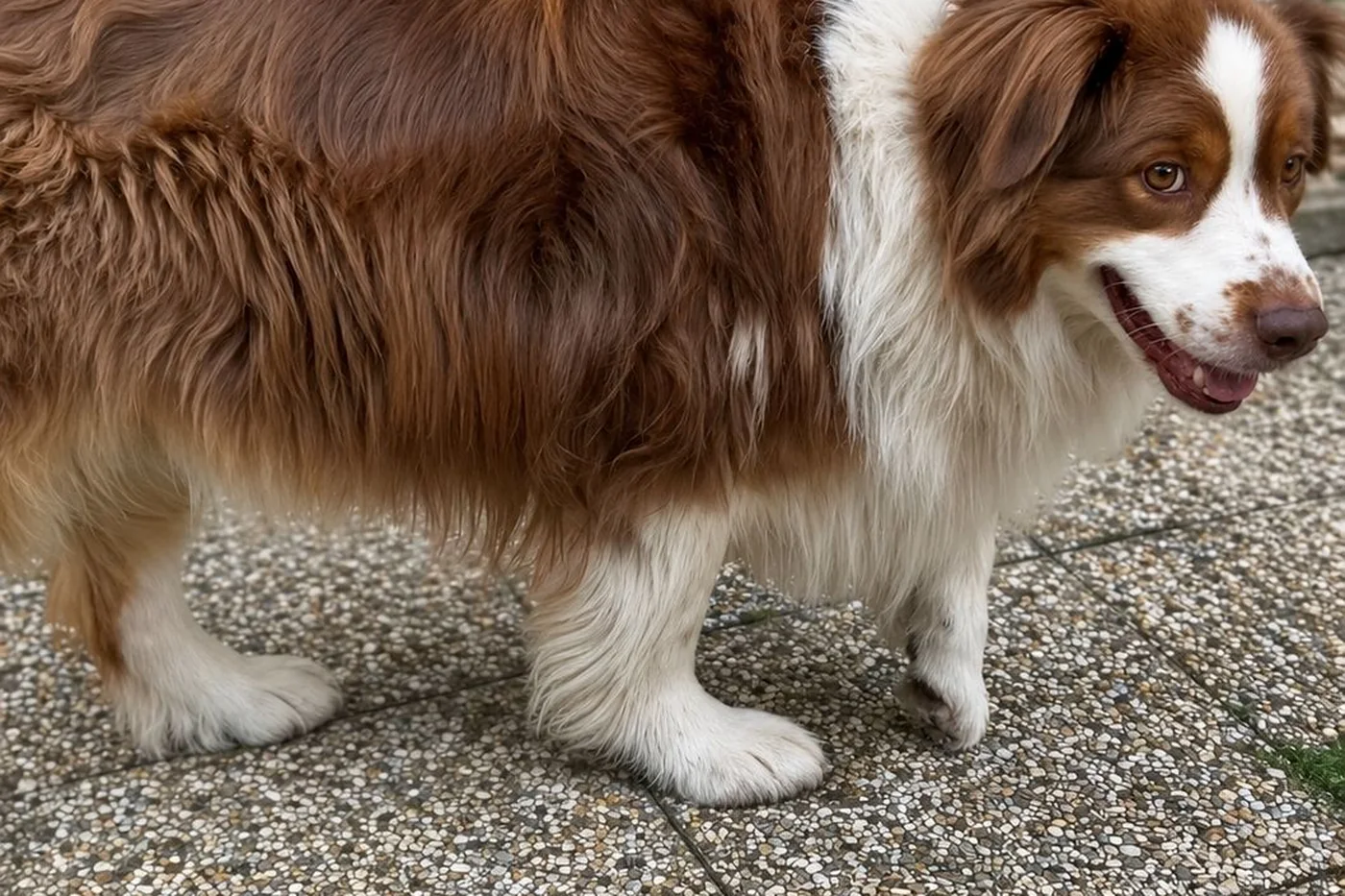
Dog with carpal hyperextension, the front paw dropping

How to recognize hyperextension

It is easiest to see from the side when the dog stands or shifts its weight onto the leg. On a front leg the wrist sinks toward the ground; on a hind leg the hock may drop noticeably. The dog may also limp or put less weight on the leg.

How a brace can help

A carpal (wrist) brace supports the joint on the front leg. A tarsal (hock) brace provides support on the hind leg. Based on the findings, we assess whether a ready-made device may be enough or whether a custom brace is the better choice.

When to see a veterinarian first

If the hyperextension appeared suddenly, especially after an injury, or the leg is swollen or painful, or the dog will not put weight on it, see a veterinarian as soon as possible. An examination is also important if the dog turns the paw over and walks on the top of it, or drags it along the ground.

What can cause hyperextension

  • Stretched or torn ligaments that stabilize the wrist.
  • Tendon injuries around the hock, for example the Achilles tendon.
  • Gradual weakening of the carpal ligaments in older dogs.
  • Developmental changes in the carpal area in growing puppies.

The cause and extent of the problem determine what support your dog needs and whether a brace is suitable.

Send us a photo of your dog standing, taken from the side, a short walking video and, if you have one, a veterinary report. We will give you a free initial assessment of whether a brace could help your dog.

Check if a brace suits my dog

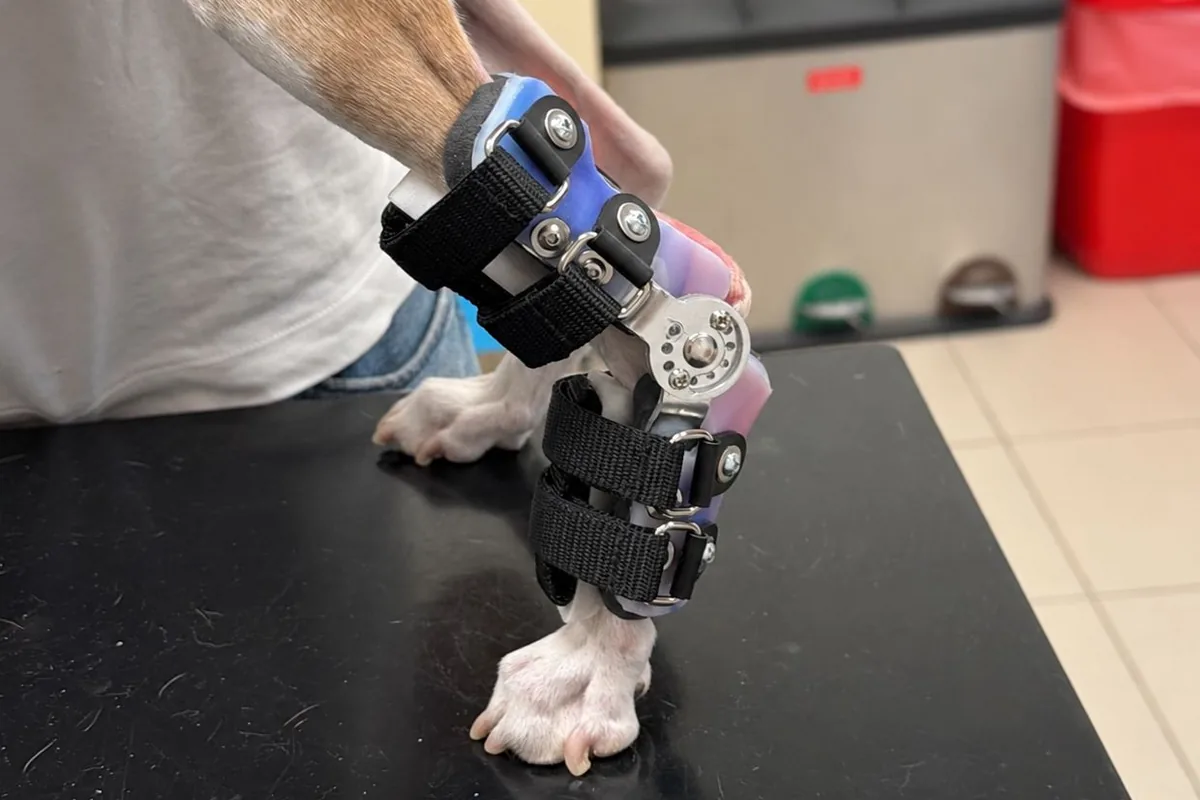
Custom braces in practice

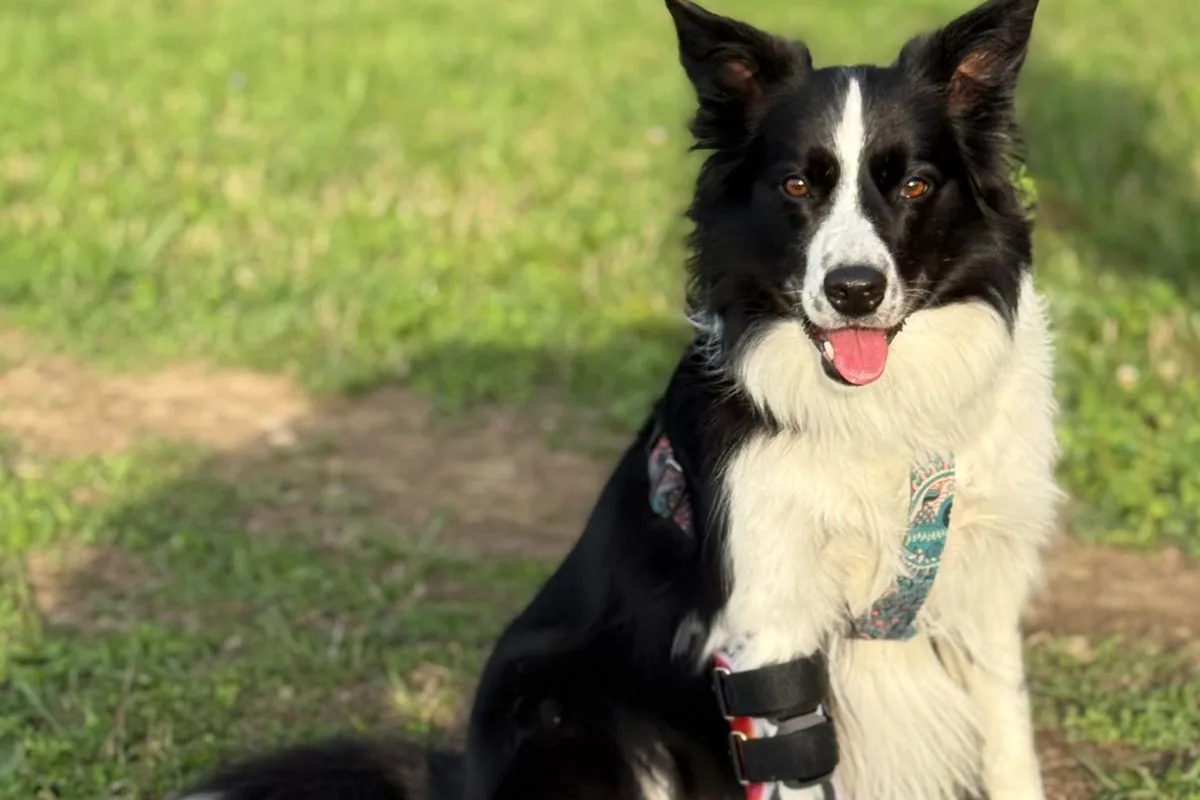
See examples of braces we have made for individual dogs.

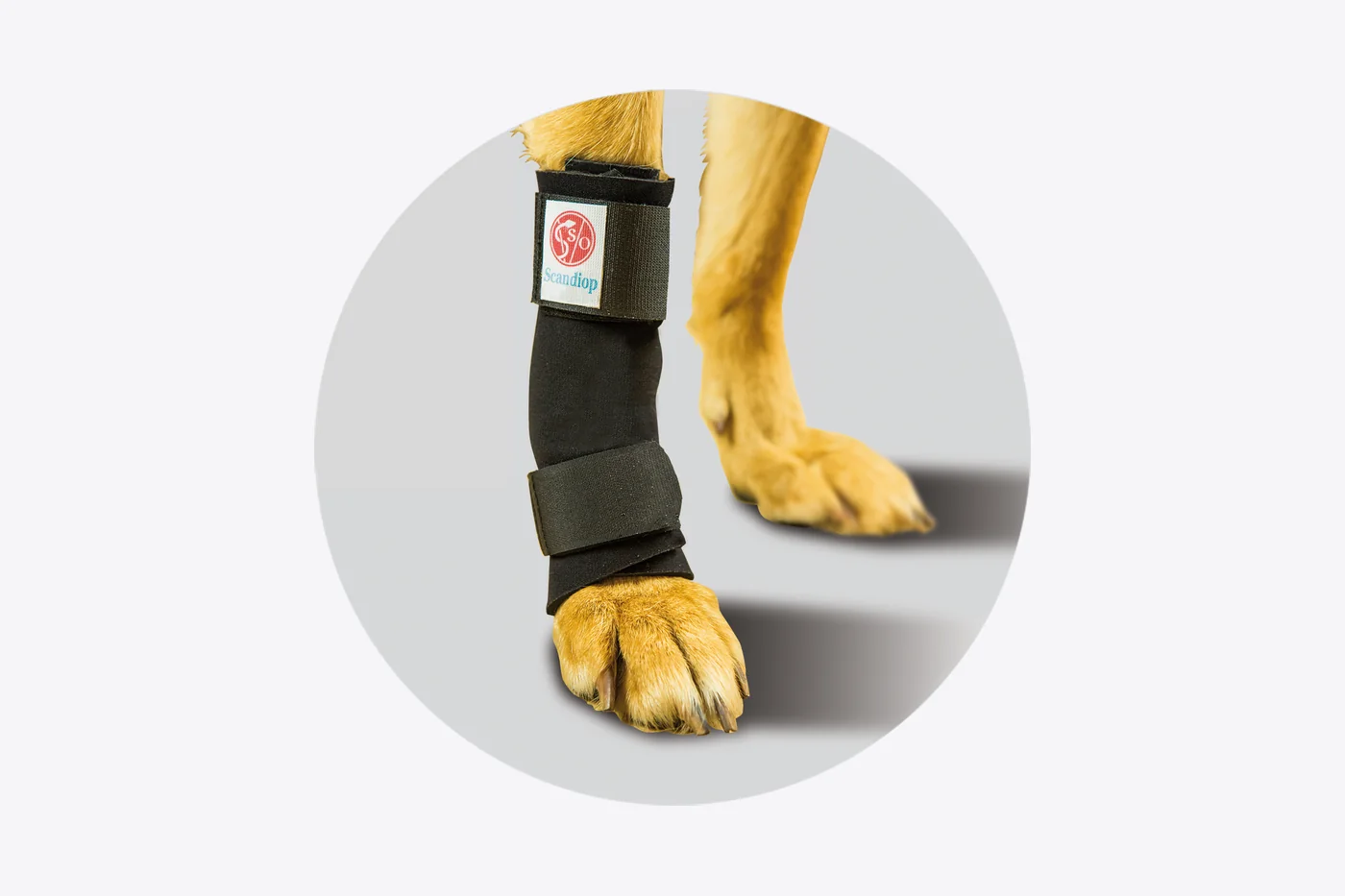
Devices we use in this situation

Frequently asked questions

Is hyperextension a serious problem?

It depends on the cause. In some dogs it stays mild, in others it gradually gets worse.

Can hyperextension get worse?

Yes, especially if the cause is not treated or the dog keeps overloading the limb. That is why it makes sense to send a video early.

How long does a dog wear the brace?

It depends on what the brace is for. Some dogs wear it only temporarily during recovery, others long term.

How it works

  1. Step 1Send photos and a videoFill in the form and attach photos and a short walking video. It takes two minutes.
  2. Step 2We assess the caseWe tell you honestly whether a device makes sense and suggest a solution. The assessment is free of charge.
  3. Step 3CastWe send you a cast kit, which is included in the price of the device. You make the cast at home following the instructions.
  4. Step 4Custom manufacturingWe make the device by hand based on the cast and your dog's diagnosis. Manufacturing takes two to three weeks from when the cast arrives at our workshop.
  5. Step 5Fitting and fine-tuningYour dog gets used to the device gradually; with a prosthesis this usually takes weeks to months. Adjustments to make sure the device fits well are included in the price for the first two months. The warranty is 24 months.

Not sure which device is right for your dog?

Send us photos and a short video of your dog walking. We will assess the case free of charge and tell you honestly which device makes sense for your dog.

Free assessmentCall

News from our workshop

Now and then we will send you tips on your dog's mobility, news about our devices and stories of our patients.

We process your personal data in line with our privacy policy.