Dog after injury or surgery

When can a brace make the return to movement easier?

If your dog is still limping during recovery, stepping carefully or putting less weight on the leg, much depends on the cause of the problem and the stage of healing. Based on the veterinary findings, we assess whether a brace could give the joint the support it needs during rehabilitation.

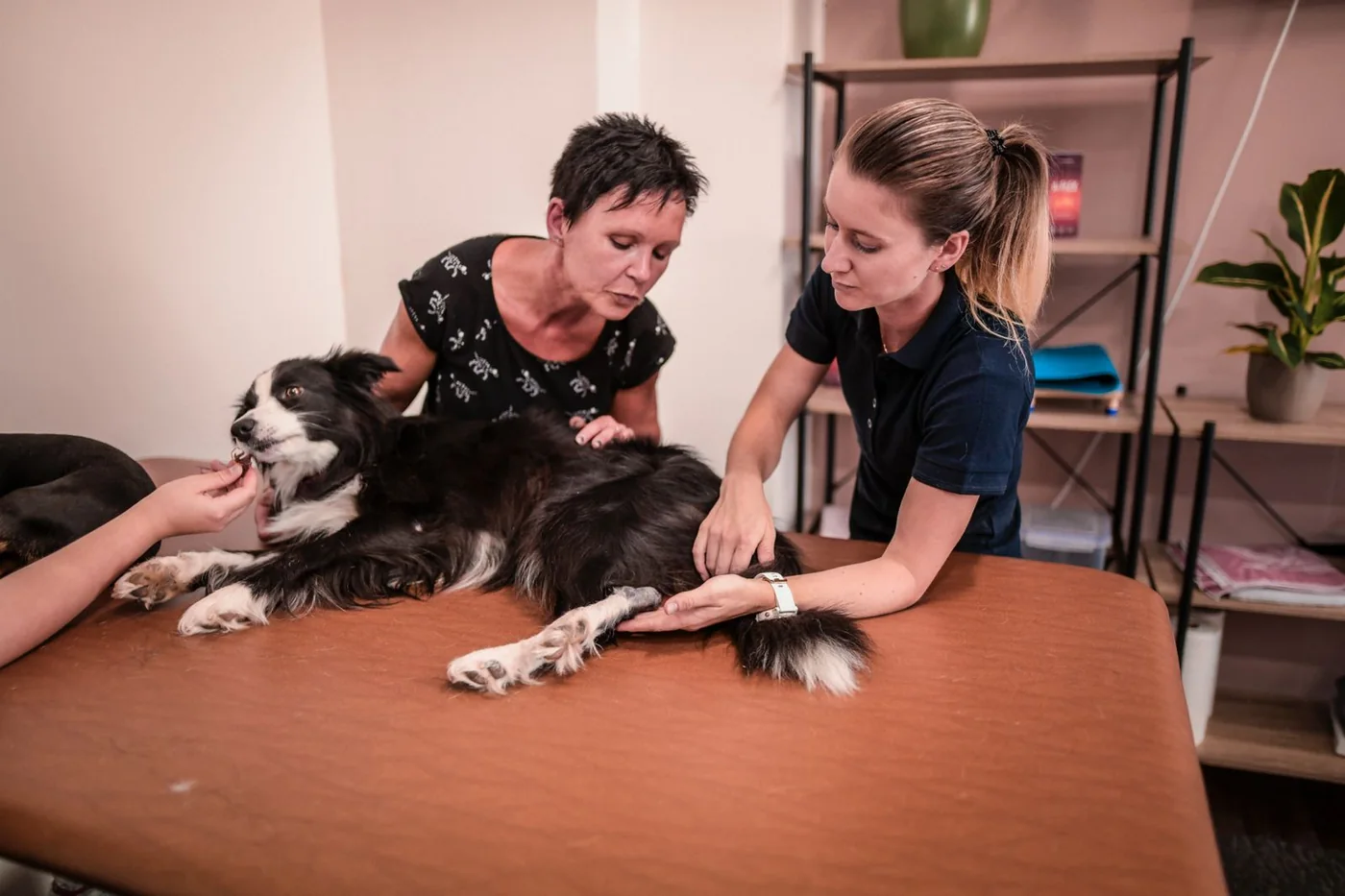
Physiotherapists examining a dog after an injury

When a brace can help

A brace may be an option after ligament or tendon injuries, after selected joint surgeries, or when returning to activity after a fracture. We assess suitability based on what is healing and how much load the veterinarian has already allowed.

How a brace works

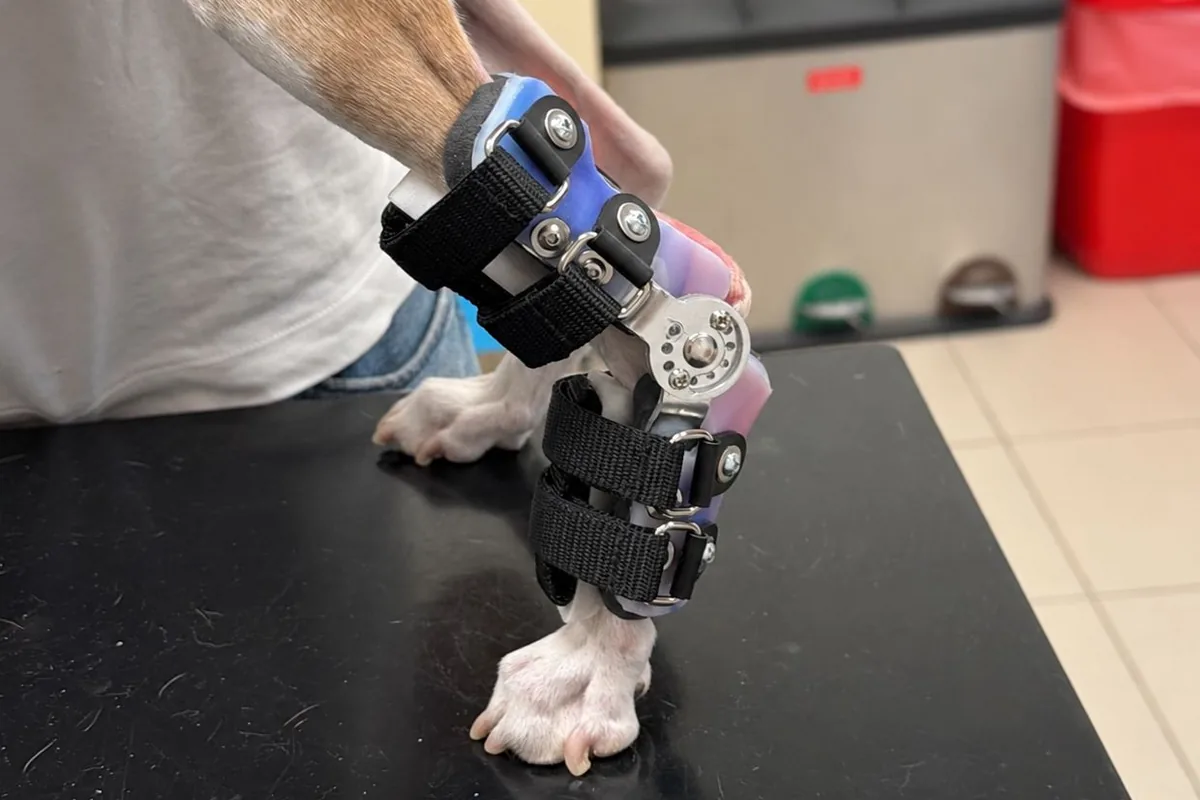
Depending on its design, a brace can stabilize a joint as the dog bears weight or limit movement in a certain direction. Based on your dog's needs, we assess whether a ready-made device may be enough or whether a custom brace is the better choice.

When to see a veterinarian first

If after an injury the dog does not put any weight on the leg, or after surgery the lameness gets worse or the swelling or pain increases, see a veterinarian as soon as possible. After surgery, contact the clinic that performed the procedure.

What owners come to us with

  • A dog is starting to bear weight on the leg again after a fracture, and the question is whether it needs support.
  • After a ligament or tendon injury, the joint remains unstable when the dog steps on the leg.
  • During rehabilitation after joint surgery, the veterinarian recommended limiting a certain movement.
  • Despite treatment, the dog has been limping for a long time since the injury or puts much more weight on the other leg.

Send us the veterinary report, a short description of the problems and a short video of your dog's normal walk, if walking is allowed. We will give you a free initial assessment of whether a brace could help.

Check if a brace suits my dog

A custom brace in practice

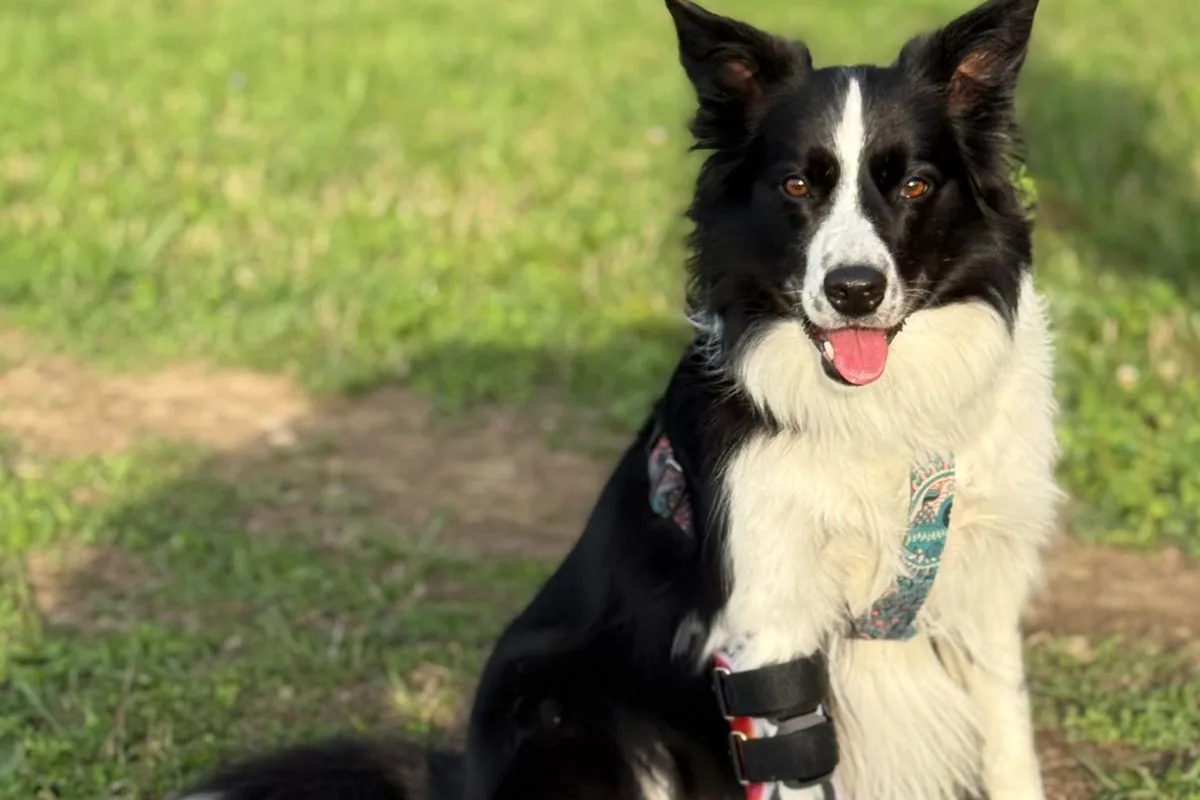
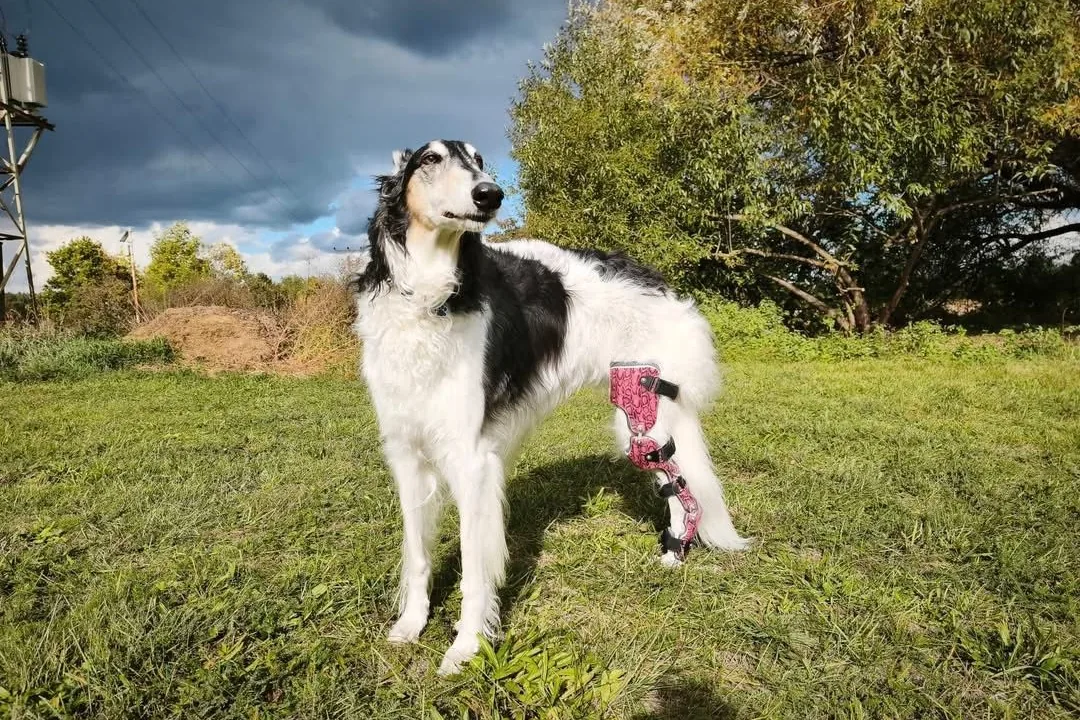
See an example of a brace we designed around the support the dog needed.

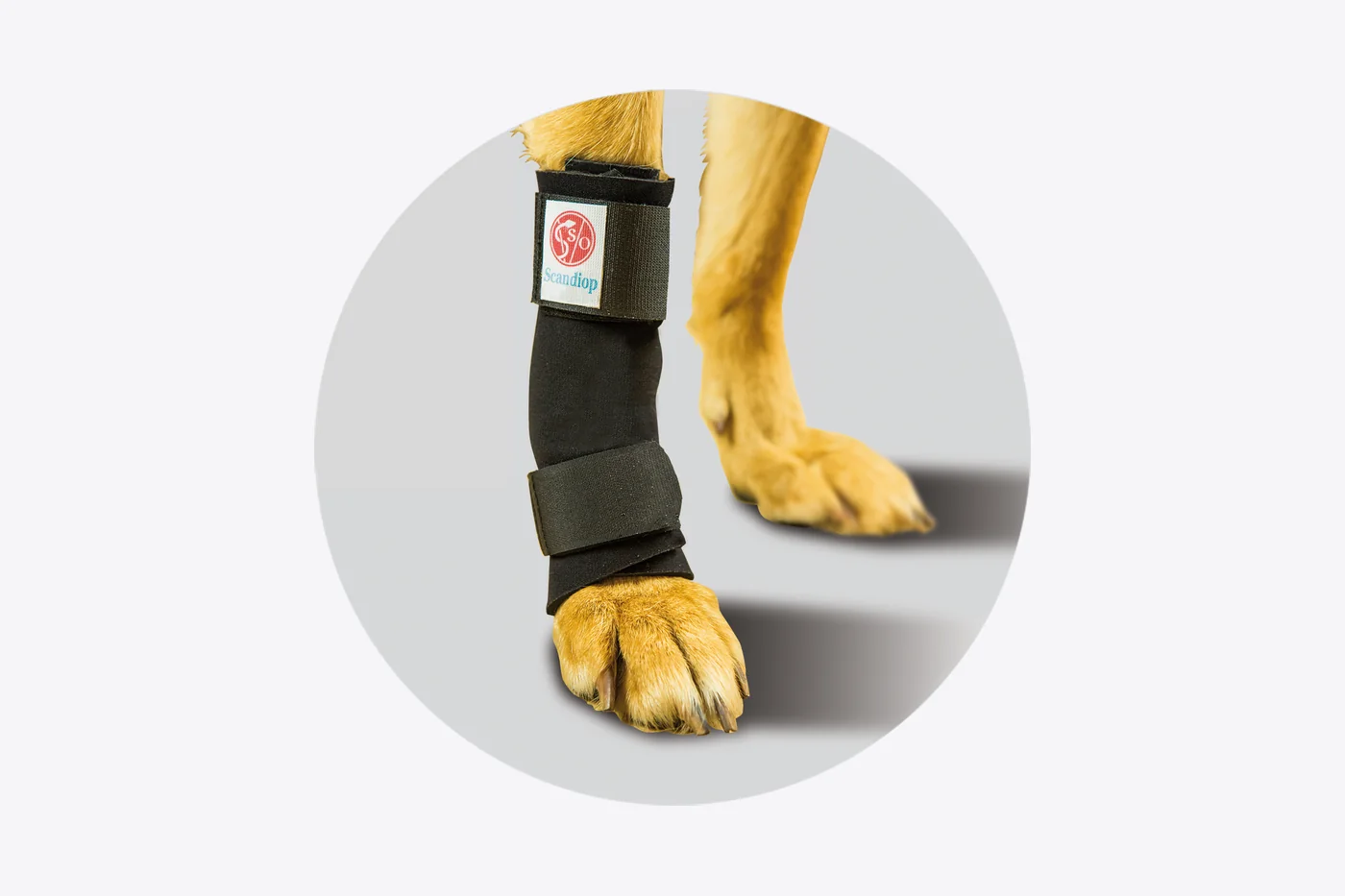
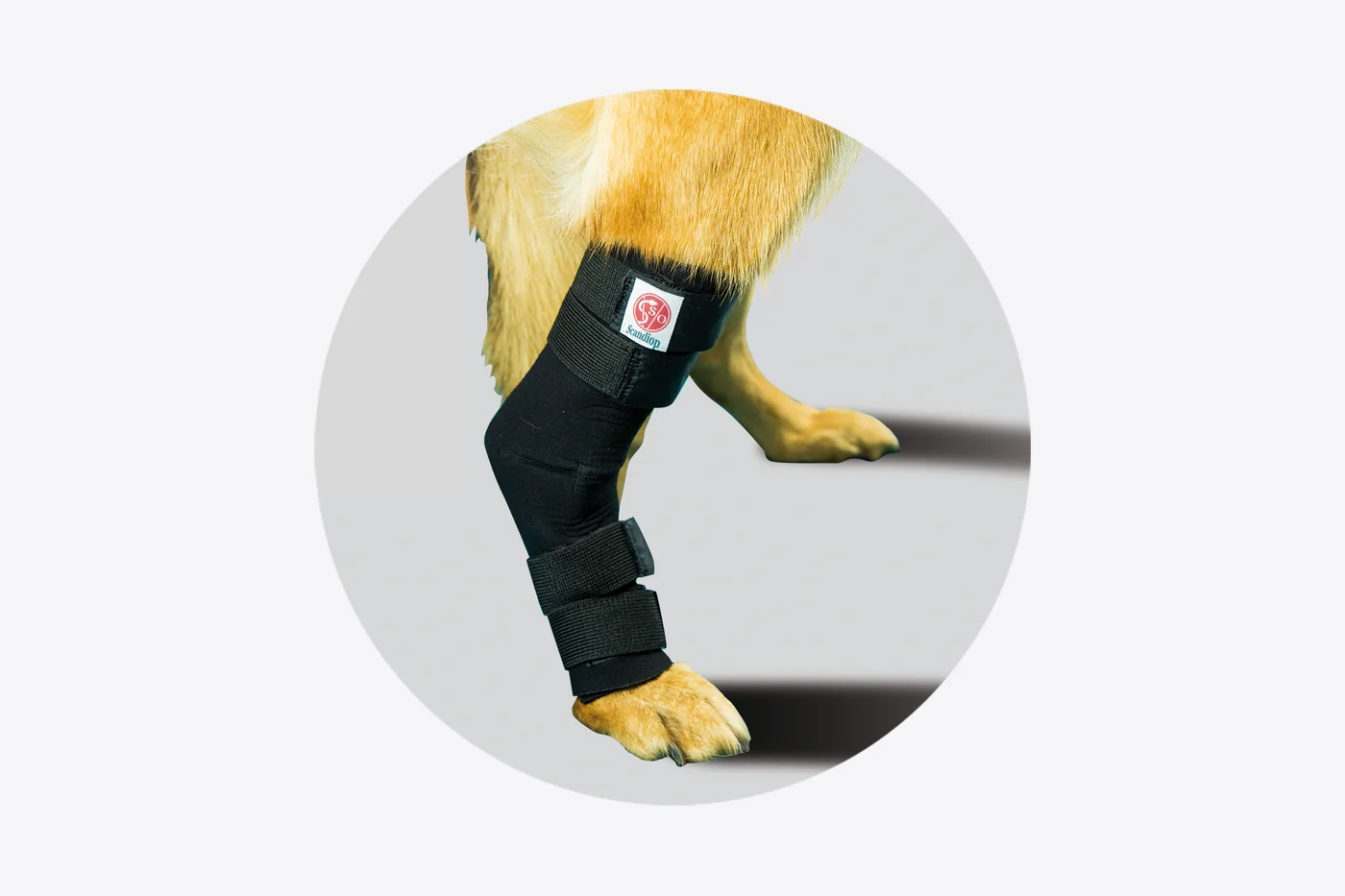
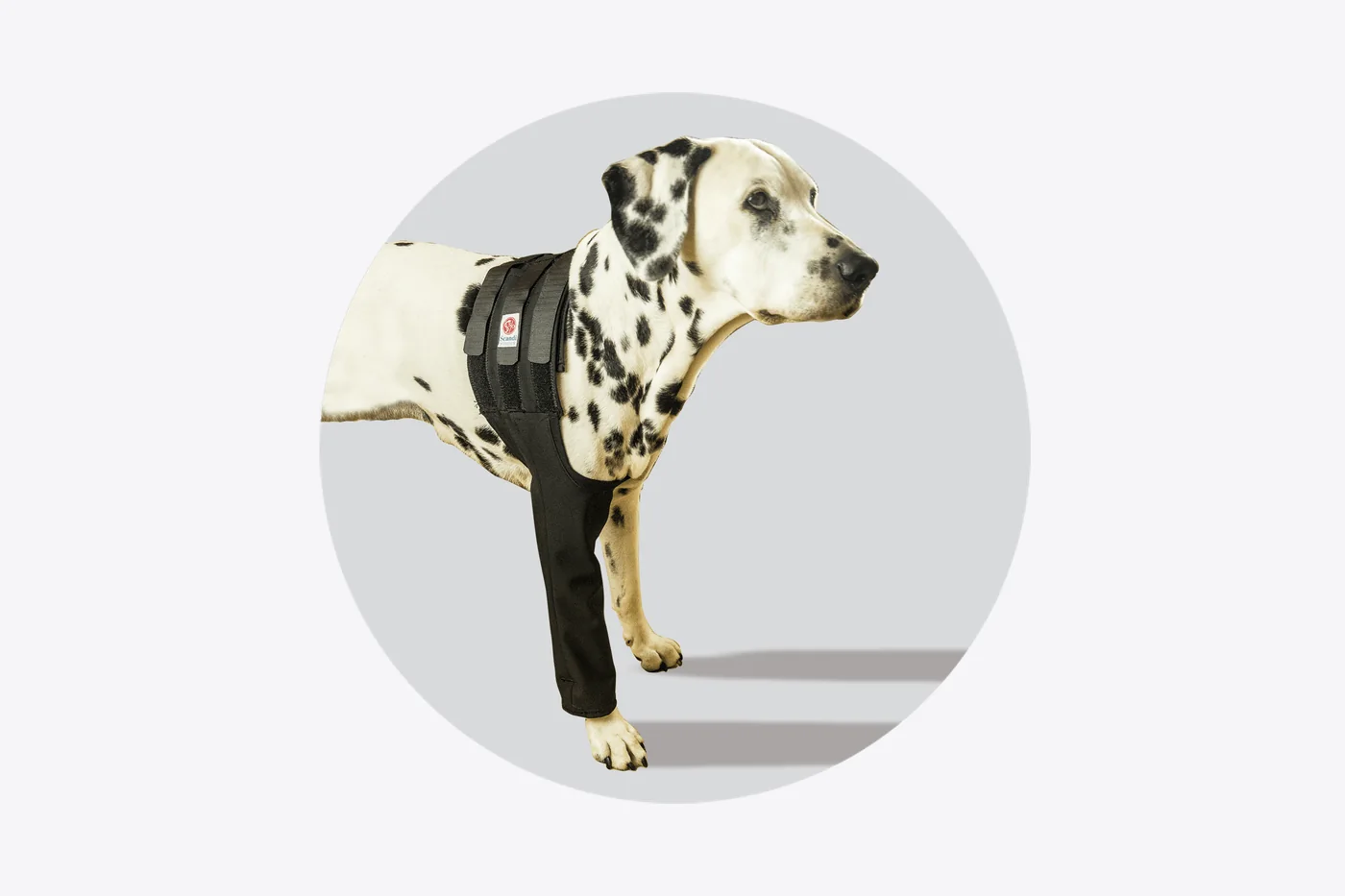
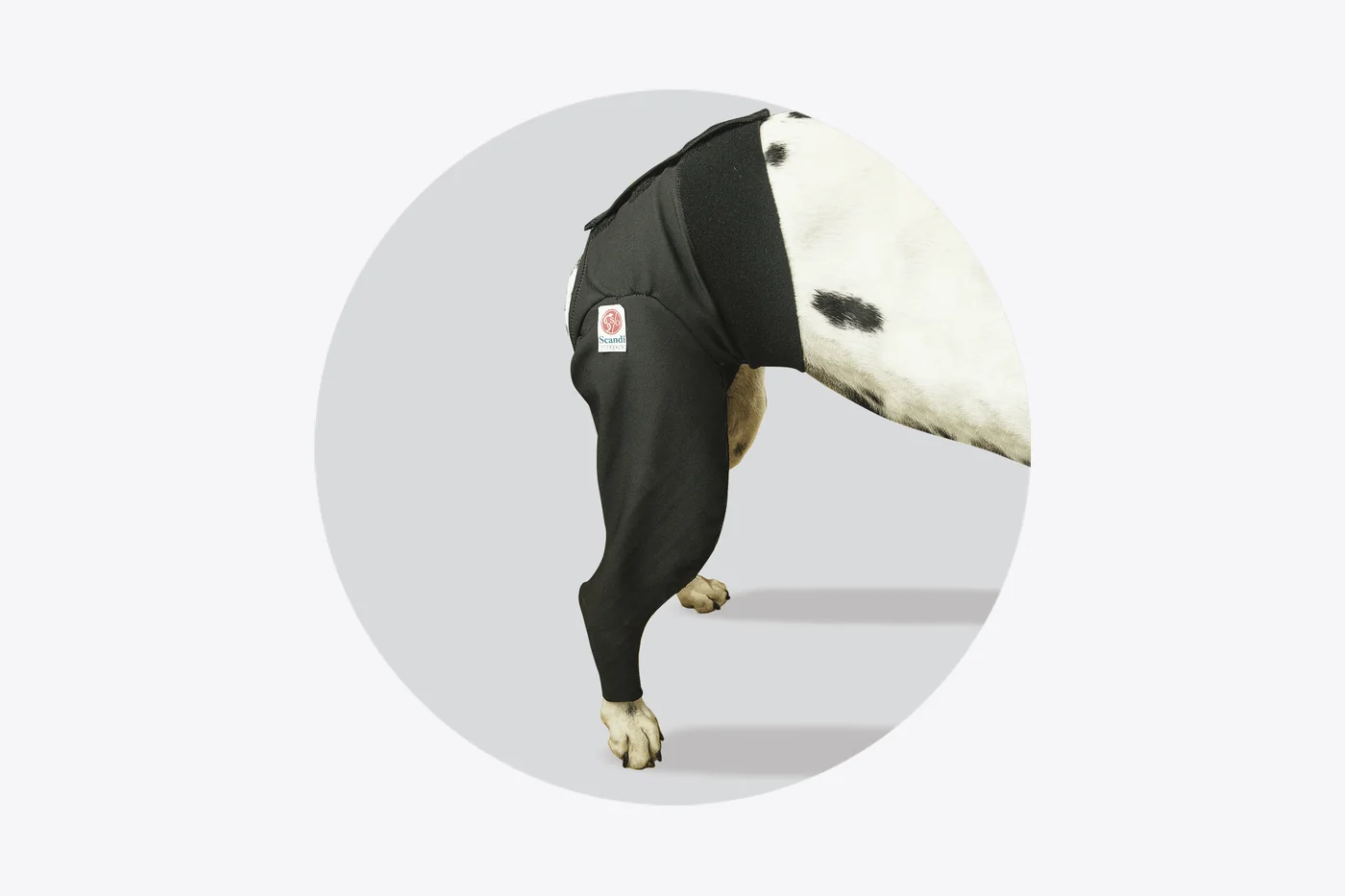
Devices we use in this situation

Frequently asked questions

Will a brace help every dog after an injury?

No. Every case is different, and a brace is not always suitable.

How long does recovery take?

It depends on the type of injury or surgery and on how the dog responds to treatment. That is why we cannot promise a specific number of weeks.

Can a brace replace rehabilitation?

No. It is a support, most often combined with rehabilitation, not a replacement for it.

How it works

  1. Step 1Send photos and a videoFill in the form and attach photos and a short walking video. It takes two minutes.
  2. Step 2We assess the caseWe tell you honestly whether a device makes sense and suggest a solution. The assessment is free of charge.
  3. Step 3CastWe send you a cast kit, which is included in the price of the device. You make the cast at home following the instructions.
  4. Step 4Custom manufacturingWe make the device by hand based on the cast and your dog's diagnosis. Manufacturing takes two to three weeks from when the cast arrives at our workshop.
  5. Step 5Fitting and fine-tuningYour dog gets used to the device gradually; with a prosthesis this usually takes weeks to months. Adjustments to make sure the device fits well are included in the price for the first two months. The warranty is 24 months.

Not sure which device is right for your dog?

Send us photos and a short video of your dog walking. We will assess the case free of charge and tell you honestly which device makes sense for your dog.

Free assessmentCall

News from our workshop

Now and then we will send you tips on your dog's mobility, news about our devices and stories of our patients.

We process your personal data in line with our privacy policy.