Dog after knee surgery

When can a knee brace help?

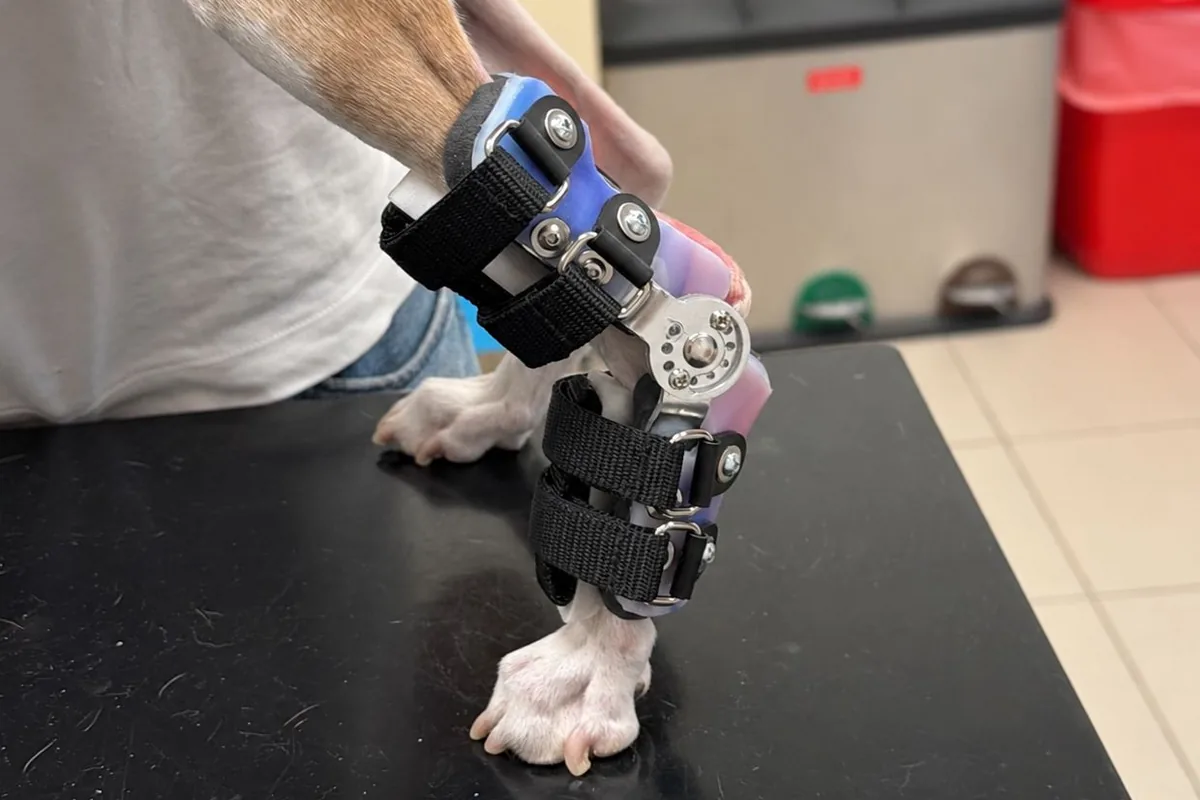
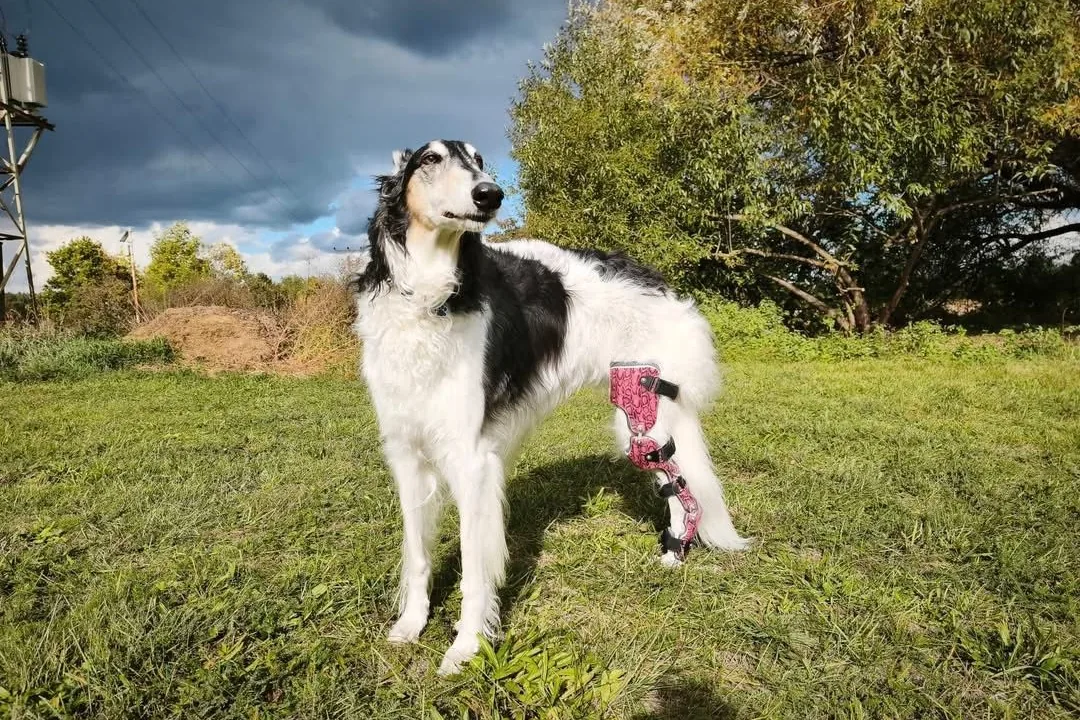
After knee surgery, for example TPLO or TTA for a torn cranial cruciate ligament, a dog returns to activity gradually. The foundation is the post-operative regime and rehabilitation as instructed by your veterinarian. If the stifle remains unstable or its movement needs guiding, we can assess after a veterinary check whether a custom knee brace would help your dog.

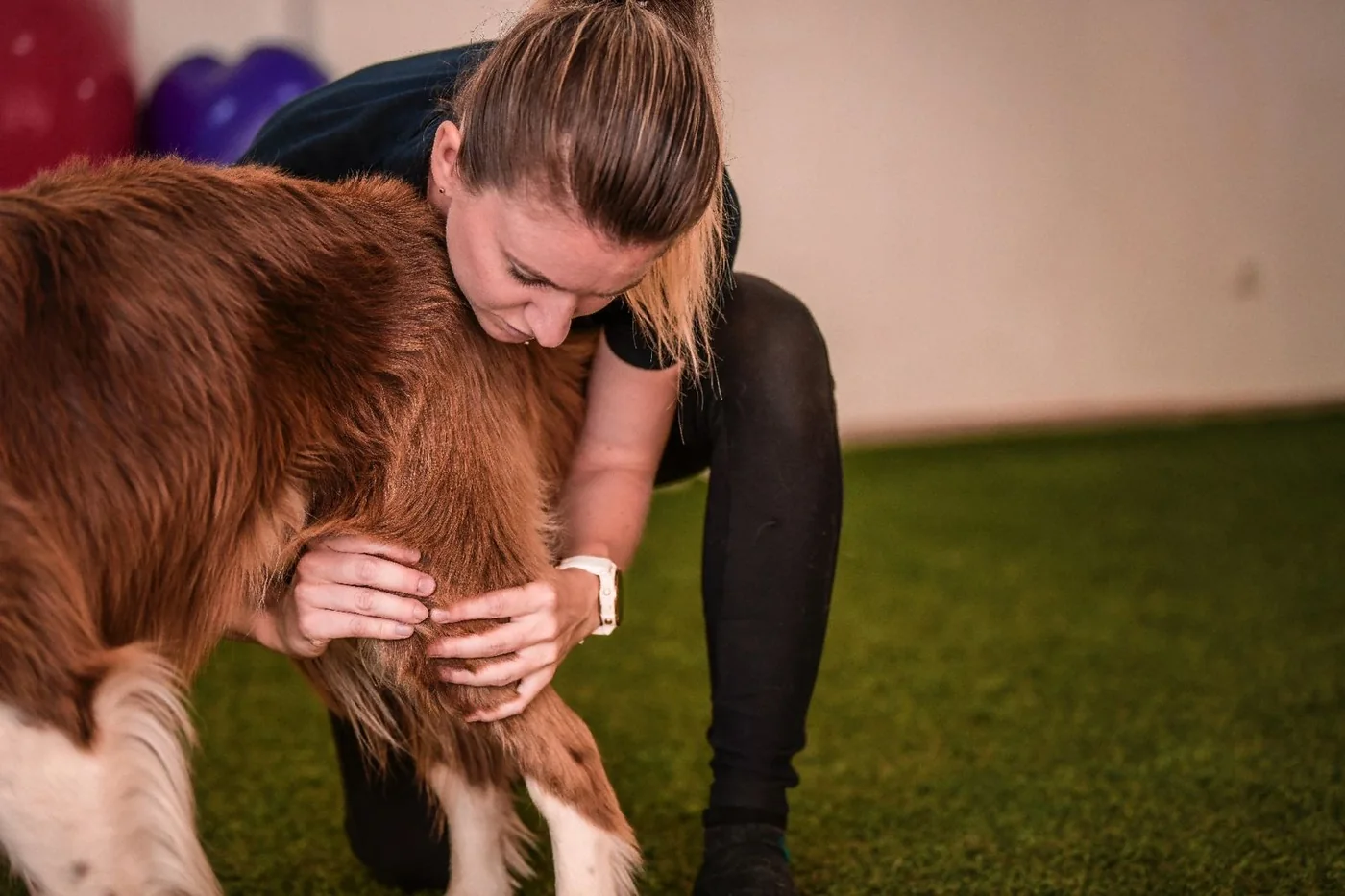
Physiotherapist examining a dog's hind leg after knee surgery

When a brace can help

A knee brace can add support if instability persists after surgery or if the veterinarian recommends limiting a certain range of motion. During the assessment we also look at how the dog bears weight on the operated leg and how it loads the other hind leg.

Lameness after TPLO or TTA

If the lameness gets worse, returns after an improvement, or the dog suddenly stops putting weight on the leg, contact the surgeon who performed the operation. Depending on the result of the check, we can then assess whether extra support makes sense during rehabilitation.

When we extend the brace over the hock

If the hock also needs support, or the movement of the whole hind leg needs better guidance, we can extend the knee brace over the hock (tarsus). We choose the design based on the findings and on how the dog moves.

What to send us for the assessment

  • The veterinary report and the type of procedure.
  • The date of surgery and, if available, the result of the last check-up.
  • A photo of your dog standing and a short video of their normal walk, if the veterinarian allows walking.
  • A short description of the problems and when you first noticed them.

Wondering whether a brace would help your dog after knee surgery? Send us the details. We will give you a free initial assessment of whether a device is suitable.

Check if a brace suits my dog

Custom braces in practice

See, for example, how we take the cast that a custom brace is made from.

Devices we use in this situation

Frequently asked questions

Does every dog need a brace after TPLO or TTA?

No. After an uncomplicated operation, most dogs do not need one. The foundation is the post-operative regime, gradual loading and, where needed, rehabilitation.

My dog is still limping after TPLO. Will a brace help?

First you need to find out why the dog is limping. If the lameness is marked, new or getting worse, the dog should go back to the surgeon for a check-up. We do not use a brace to mask a problem.

Can a brace replace surgery?

Not in a dog that is a suitable candidate for surgery. But if a dog cannot have surgery for some reason, a brace can be assessed as part of conservative management.

How it works

  1. Step 1Send photos and a videoFill in the form and attach photos and a short walking video. It takes two minutes.
  2. Step 2We assess the caseWe tell you honestly whether a device makes sense and suggest a solution. The assessment is free of charge.
  3. Step 3CastWe send you a cast kit, which is included in the price of the device. You make the cast at home following the instructions.
  4. Step 4Custom manufacturingWe make the device by hand based on the cast and your dog's diagnosis. Manufacturing takes two to three weeks from when the cast arrives at our workshop.
  5. Step 5Fitting and fine-tuningYour dog gets used to the device gradually; with a prosthesis this usually takes weeks to months. Adjustments to make sure the device fits well are included in the price for the first two months. The warranty is 24 months.

Not sure which device is right for your dog?

Send us photos and a short video of your dog walking. We will assess the case free of charge and tell you honestly which device makes sense for your dog.

Free assessmentCall

News from our workshop

Now and then we will send you tips on your dog's mobility, news about our devices and stories of our patients.

We process your personal data in line with our privacy policy.