Senior dogs and declining mobility

How can you make getting up and walking easier for an older dog?

Is your dog slower to get up from their bed, are their hind legs slipping, or do they tire sooner on walks? The change may be caused by arthritis pain, muscle loss or another mobility problem. Based on the veterinary findings and how your dog moves at home and outdoors, we assess what support could help them.

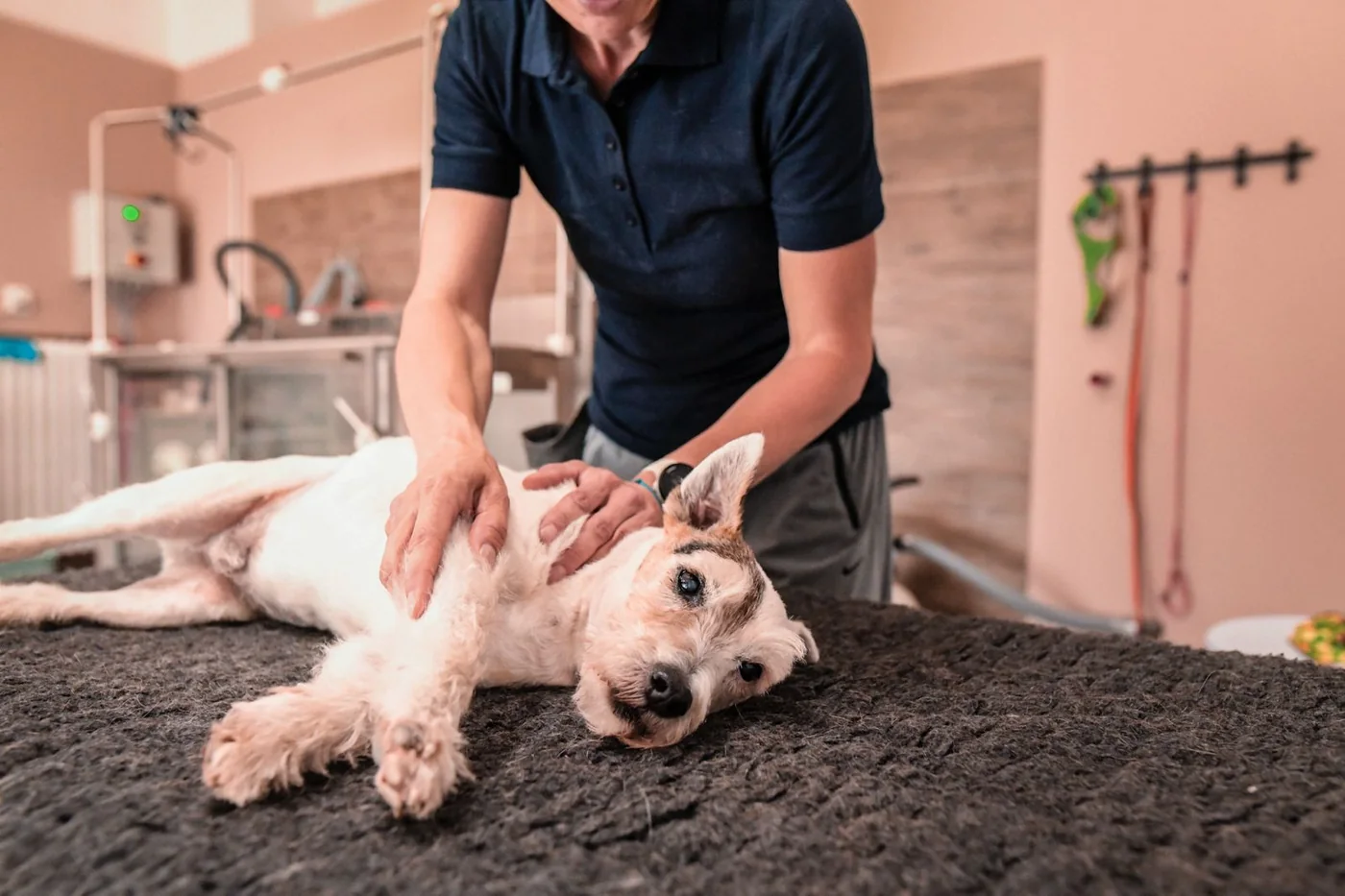
Older dog during rehabilitation on a table

Why walking gets harder for older dogs

If your dog struggles to get up after resting, walks stiffly or avoids stairs, discuss the change with your veterinarian. An examination will help find out whether the problems are related to arthritis, muscle weakness or another cause.

When a brace or a wheelchair can help

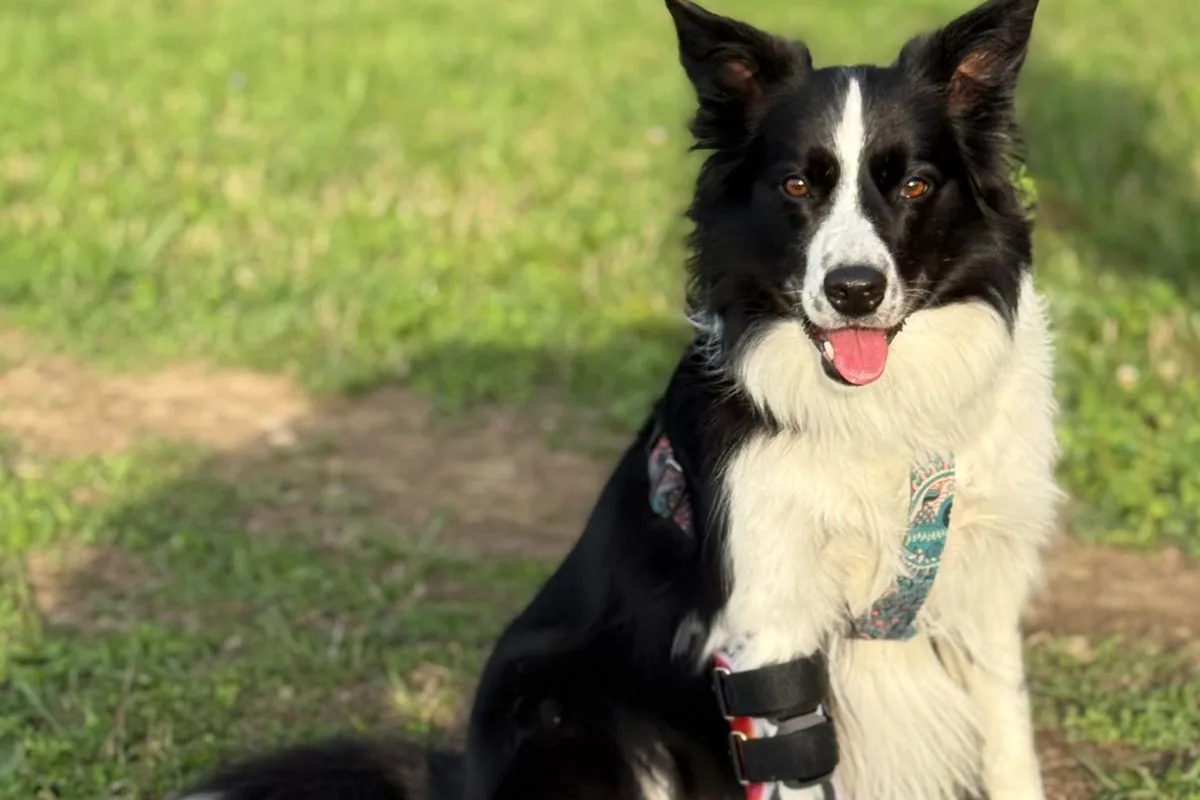
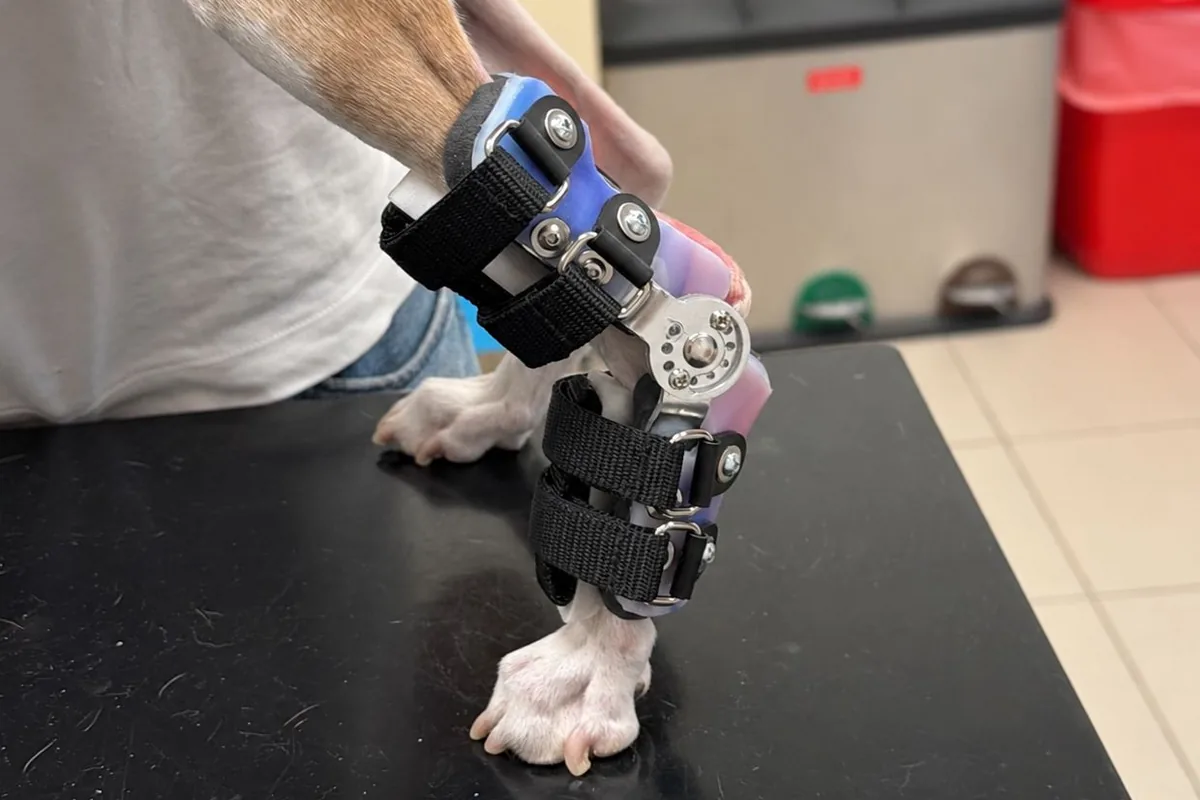
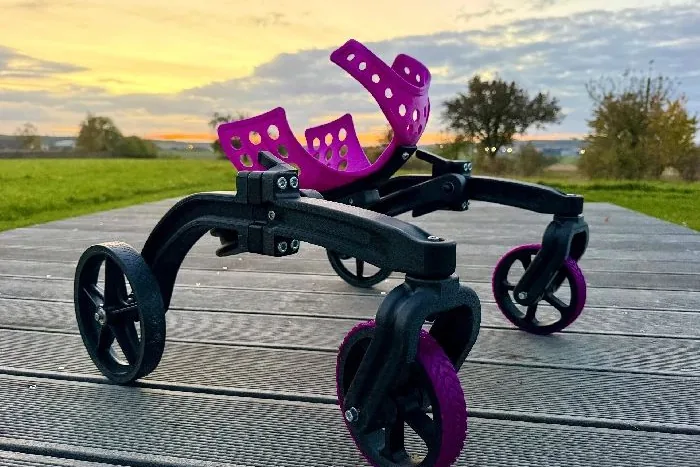
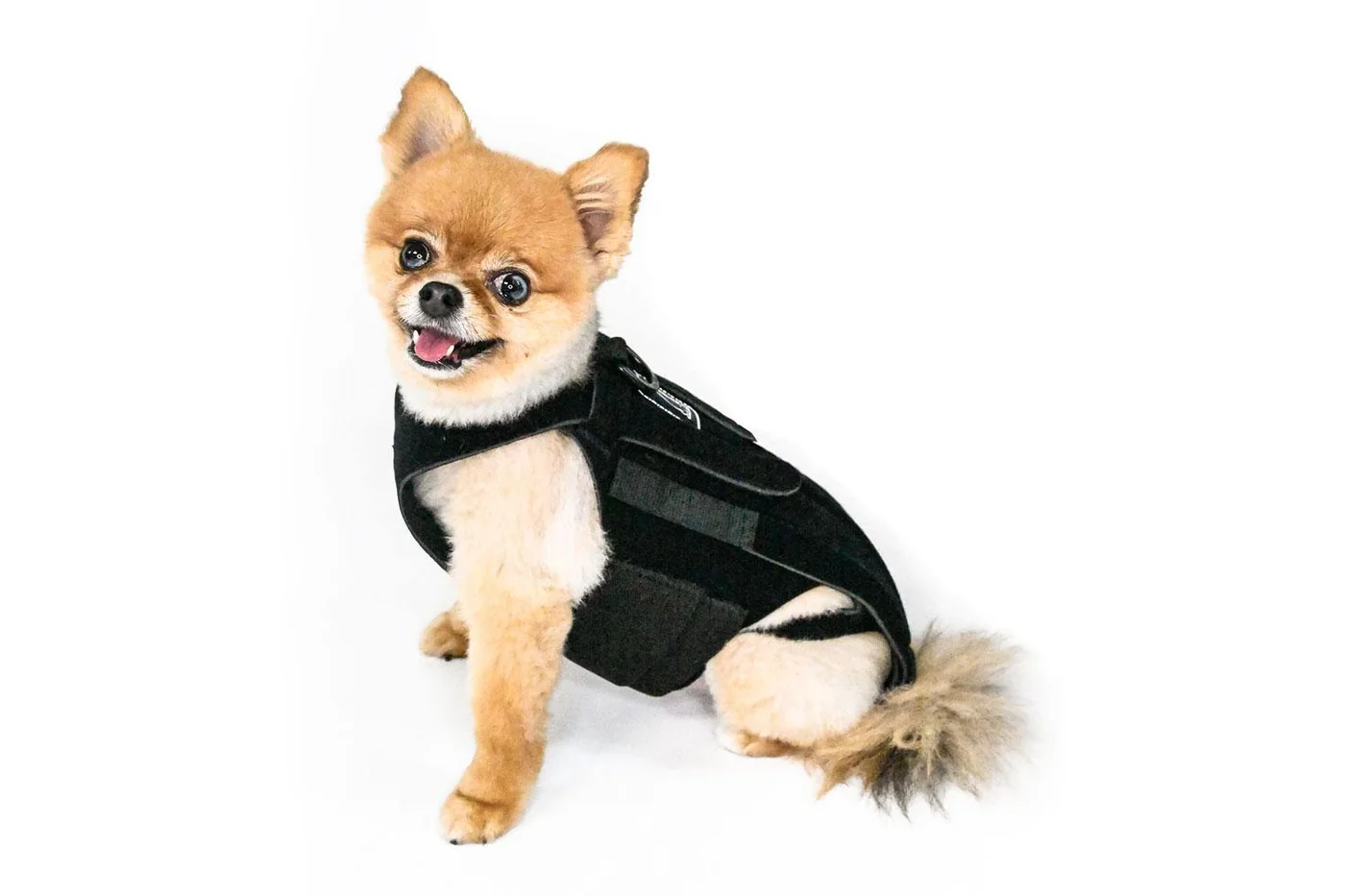
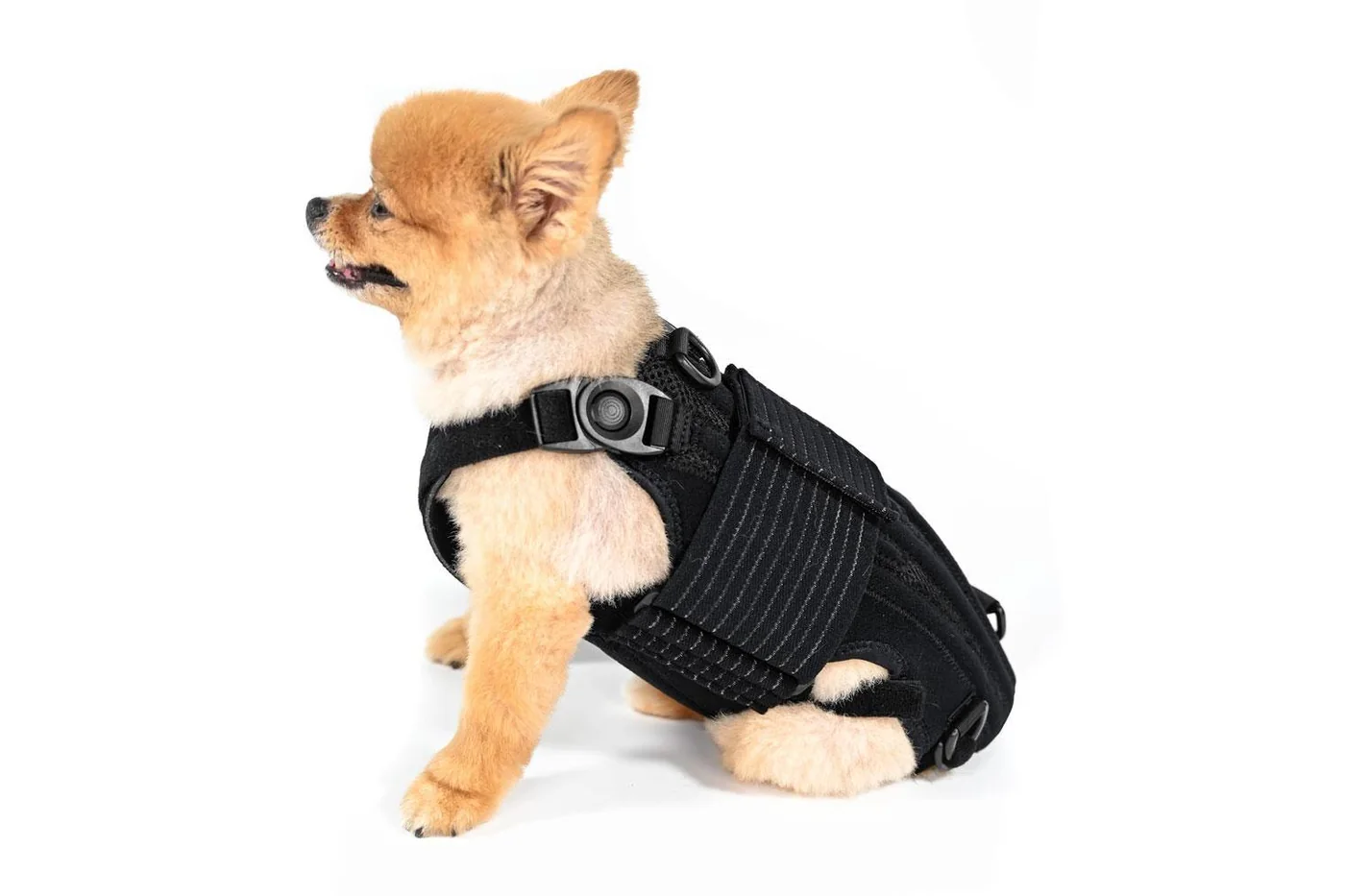
If the wrist or hock sinks when the dog steps, a suitable brace can support the joint. With marked weakness of the hind legs, we can assess, based on the veterinary findings and how the dog moves, whether a custom support wheelchair would suit them.

What you can change at home

A non-slip runner between the dog's bed, bowl and door can make moving on smooth floors easier. A ramp can spare your dog some stairs or the jump into the car, as long as they can use it safely.

What owners notice most often

  • The dog gets up more slowly after resting or needs several attempts.
  • Its hind legs slip or give way.
  • It sways when walking or turns unsteadily.
  • It hesitates at stairs or avoids jumping into the car.
  • It tires sooner on walks or stops more often.

Send us a short video of your dog's normal walk, a description of what gives them the most trouble and, if you have one, a veterinary report. We will give you a free initial assessment of whether a suitable device could make moving easier.

Check if a device suits my dog

Devices we use in this situation

Frequently asked questions

Is declining mobility normal in an older dog?

Partly, yes, but it is always worth finding the cause. Sometimes the decline is caused by something that can be treated.

Will a brace help every older dog?

No. We assess every case individually; for some dogs a device would get in the way rather than help.

Is it worth addressing mobility in a very old dog?

Sometimes, yes, if the device makes everyday movement more comfortable and does not burden the dog.

How it works

  1. Step 1Send photos and a videoFill in the form and attach photos and a short walking video. It takes two minutes.
  2. Step 2We assess the caseWe tell you honestly whether a device makes sense and suggest a solution. The assessment is free of charge.
  3. Step 3CastWe send you a cast kit, which is included in the price of the device. You make the cast at home following the instructions.
  4. Step 4Custom manufacturingWe make the device by hand based on the cast and your dog's diagnosis. Manufacturing takes two to three weeks from when the cast arrives at our workshop.
  5. Step 5Fitting and fine-tuningYour dog gets used to the device gradually; with a prosthesis this usually takes weeks to months. Adjustments to make sure the device fits well are included in the price for the first two months. The warranty is 24 months.

Not sure which device is right for your dog?

Send us photos and a short video of your dog walking. We will assess the case free of charge and tell you honestly which device makes sense for your dog.

Free assessmentCall

News from our workshop

Now and then we will send you tips on your dog's mobility, news about our devices and stories of our patients.

We process your personal data in line with our privacy policy.